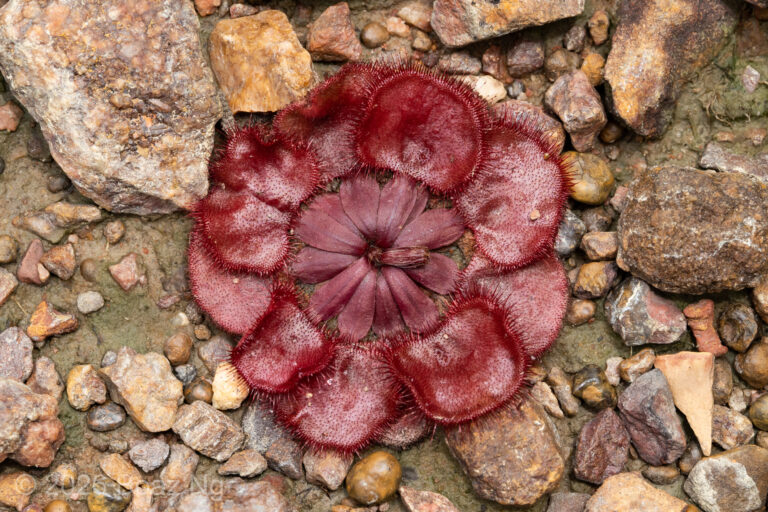
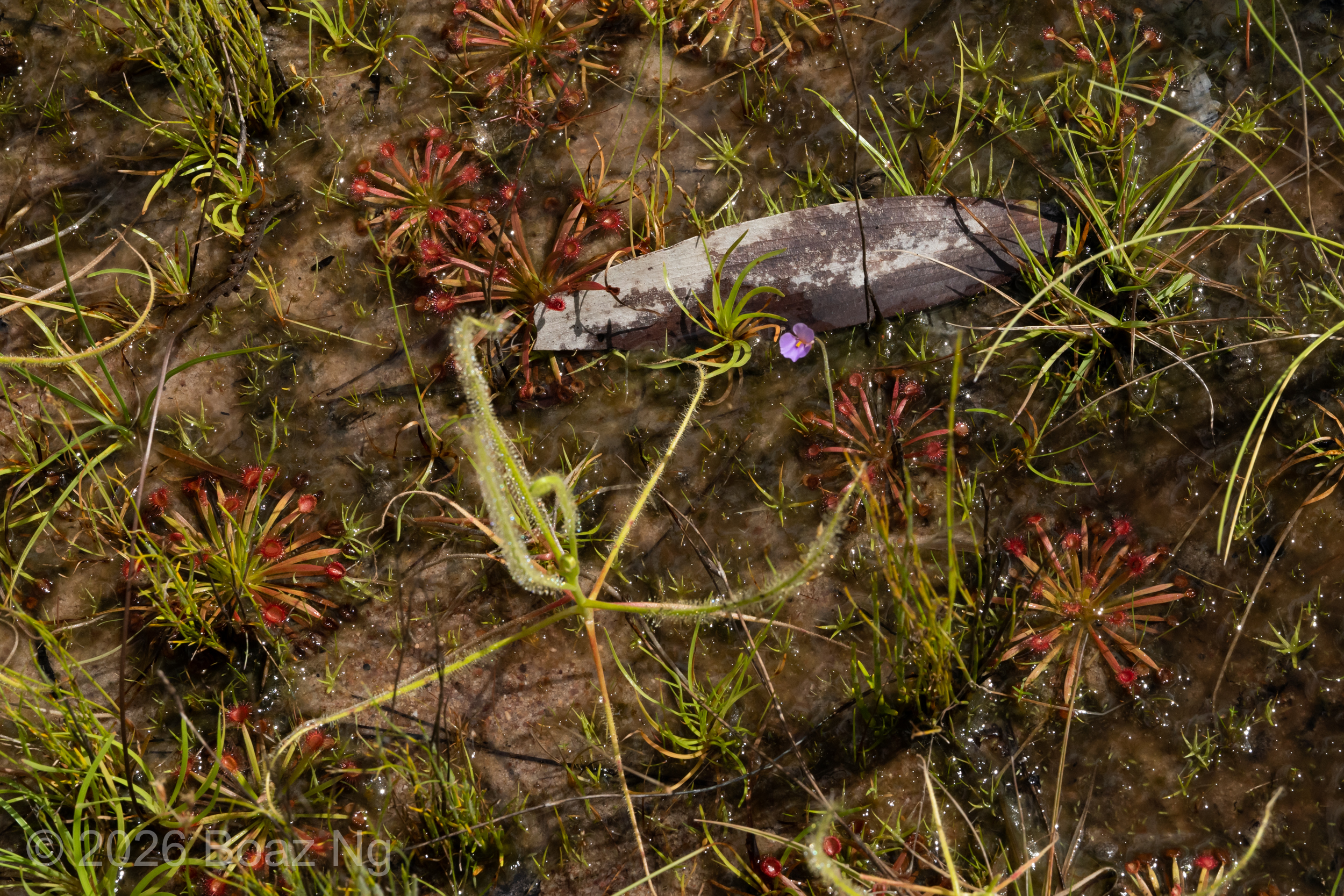
The sand plains of the Howard River in Darwin, Australia, are among the most biodiverse carnivorous plant habitats in the world. At one site I visited in March, during the late wet season, I counted an incredible 26 species across three genera within a 1km radius.
The site is located in the sand plains immediately east of Darwin and is formed by the seasonally wet drainage basin of a medium-sized creek. This habitat hosts diverse niches across the transition zone from drier elevated speargrass fields, through inundated sand sheets, towards deep swampy depressions.
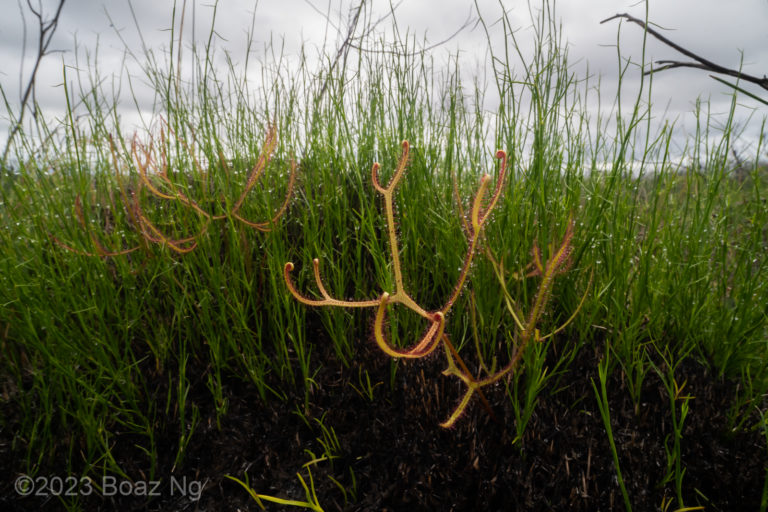
Drosera brevicornis is the driest-growing species, and is found amongst tall grass in elevated, well-drained soils.
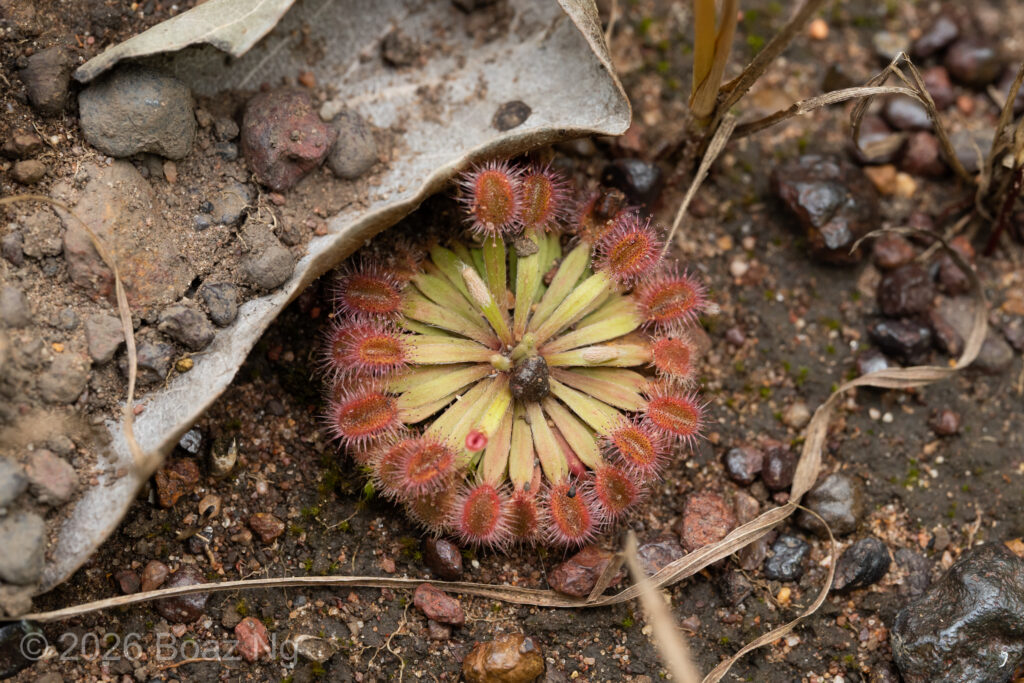
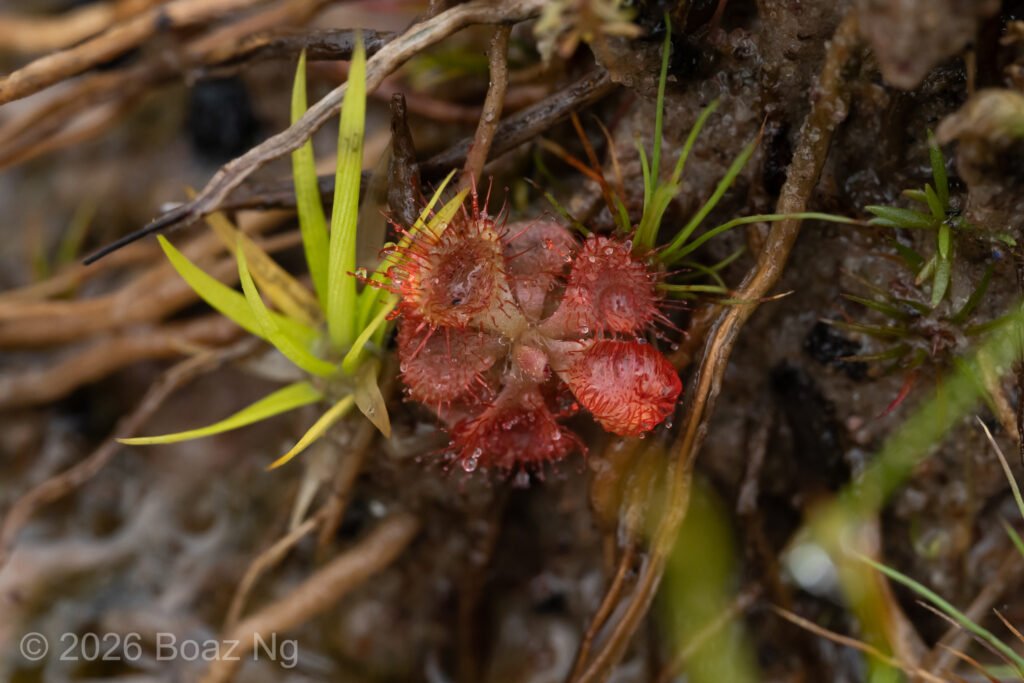
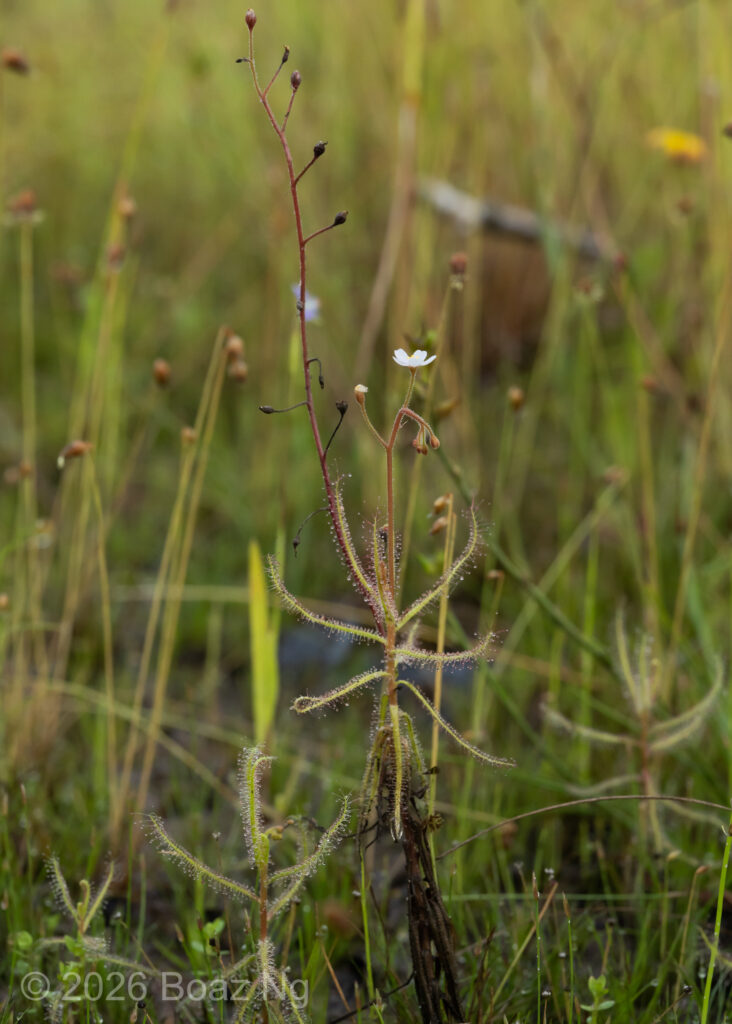
Water begins to seep out of the ground as the elevation drops towards the creek. The seeps at the transitional boundary between the taller, drier-growing speargrass stands and open, wetter herbfield are the habitat for Utricularia disjuncta, Drosera nana and D. dilatatopetiolaris.
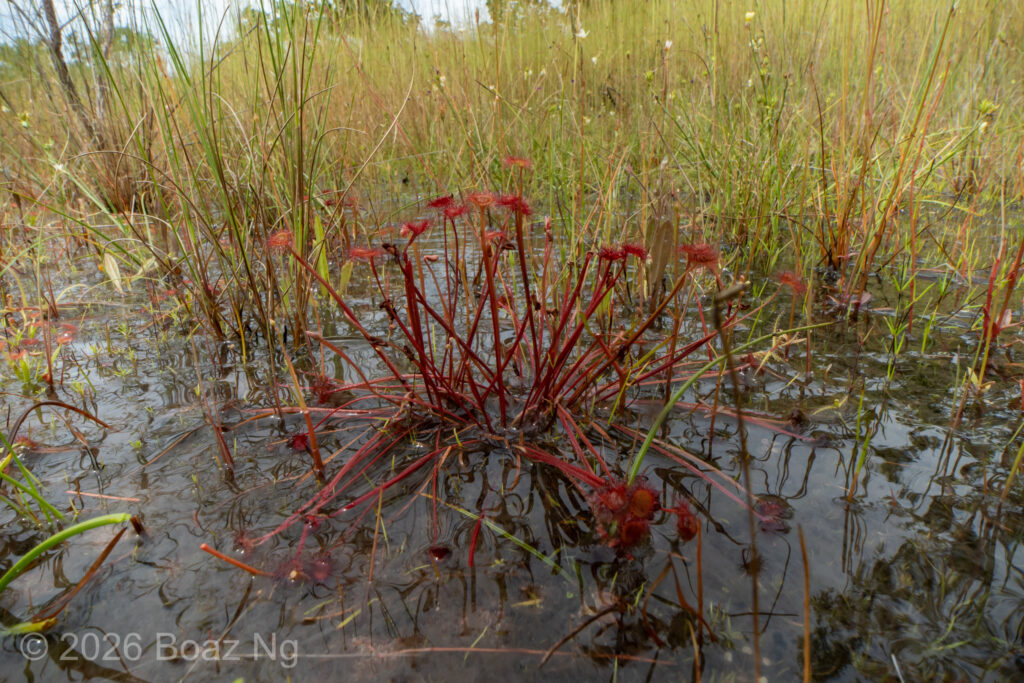
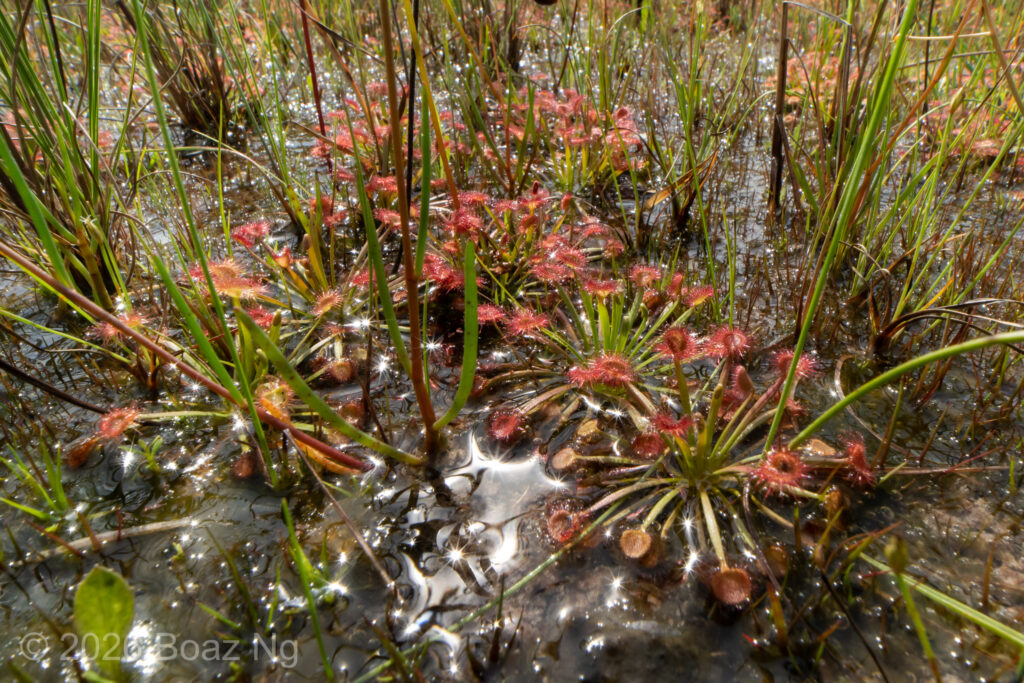
The ground becomes increasingly waterlogged as it dips below the wet season water table. Here, vast stretches of damp sand host the most intense biodiversity, with many sundews and bladderworts growing side by side. The wet substrate limits the growth of tall grass, creating the perfect sunny habitat for carnivorous plants.
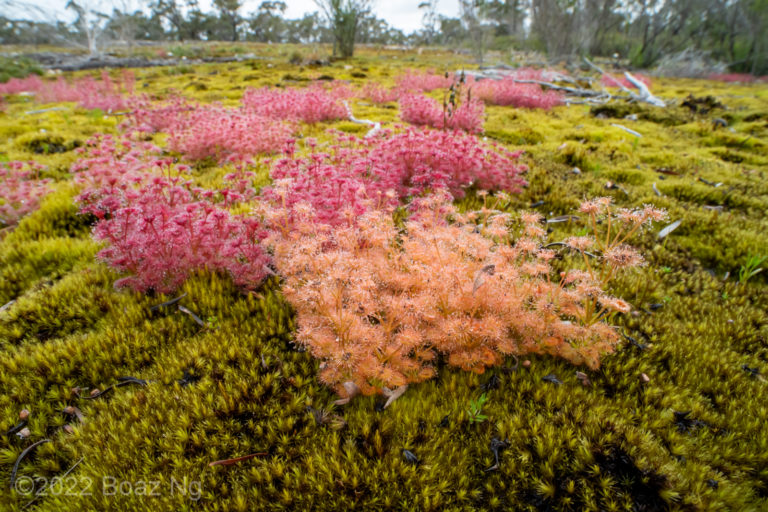
In sand patches that are waterlogged but barely covered by water, Drosera fulva and D. fragrans grow in abundance. These sundews have differing strategies to carry over during the dry season when the habitat dries out. D. fulva, like most petiolaris-complex sundews, retreats to a dormant corm, whereas indica-complex sundews like D. fragrans set seed and die.
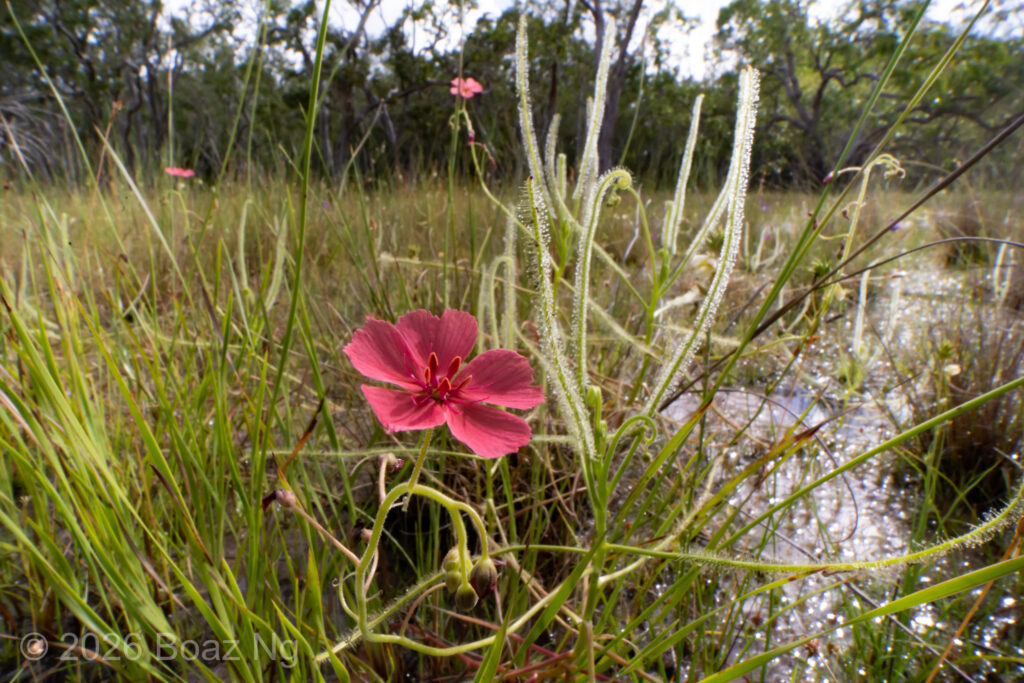
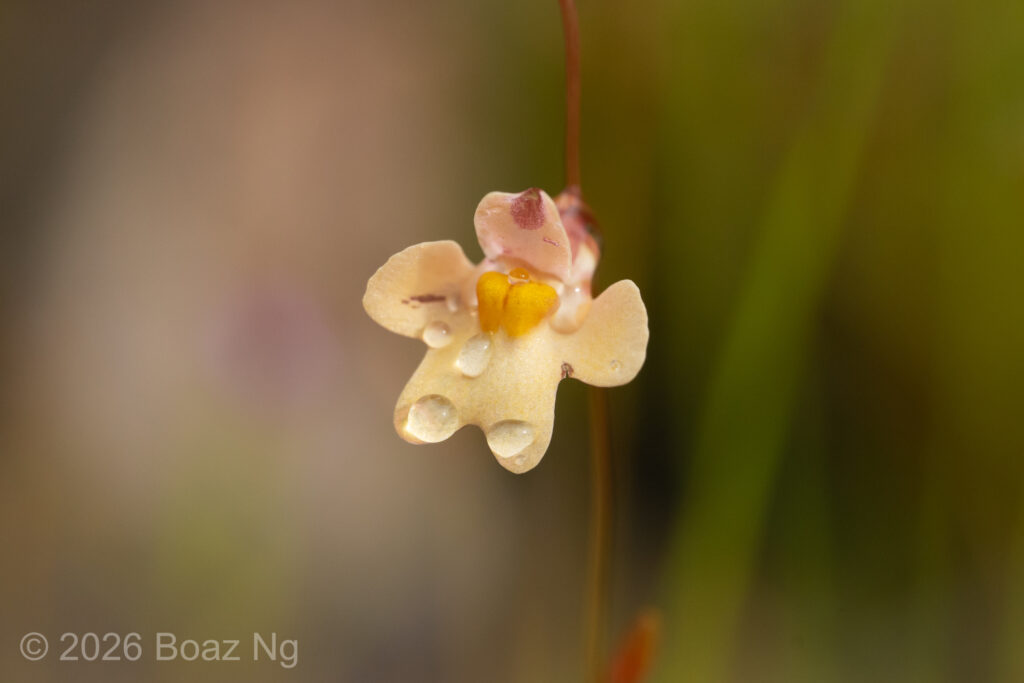
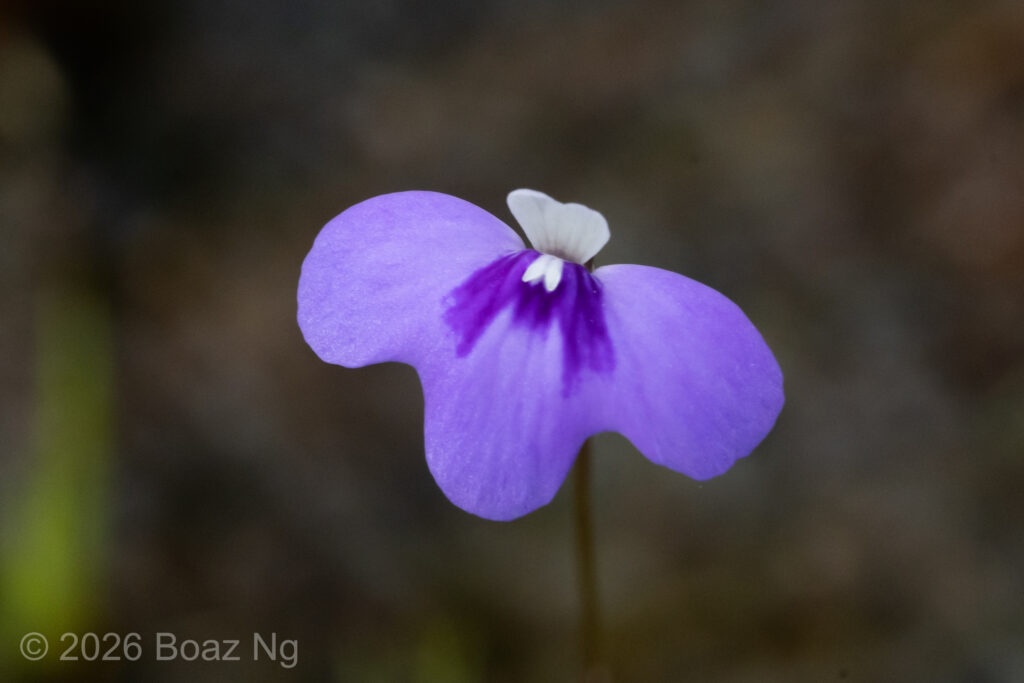
These sunny, damp sand patches host the greatest diversity of bladderworts. The plants usually begin to bloom in the latter half of the wet season, from around February onwards, and continue until the habitat dries out around late May. The number of bladderworts in active bloom peaks at the tail end of the wet season around March. I observed Utricularia lasiocaulis, U. minutissima, U. brennanii, U. capilliflora, U. nivea and U. odorata all abundantly blooming during this time.
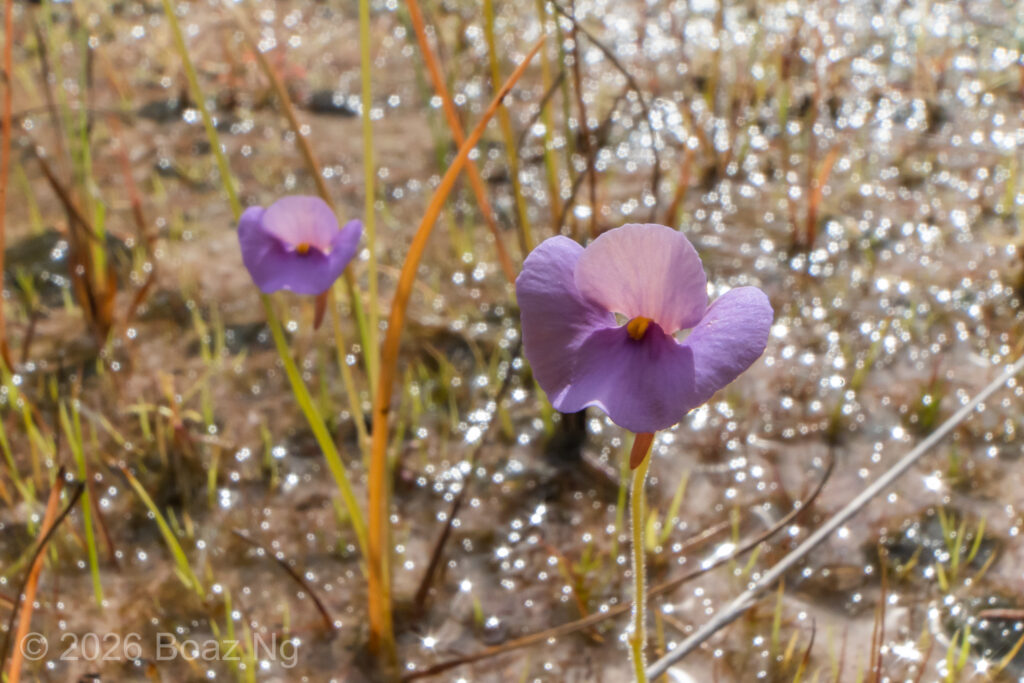
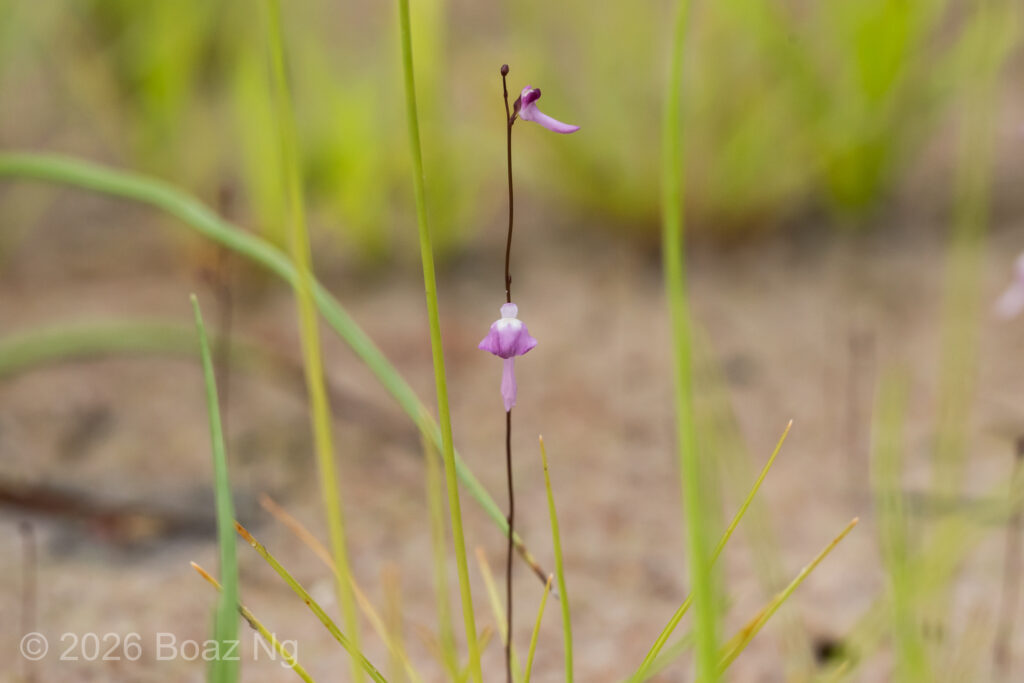
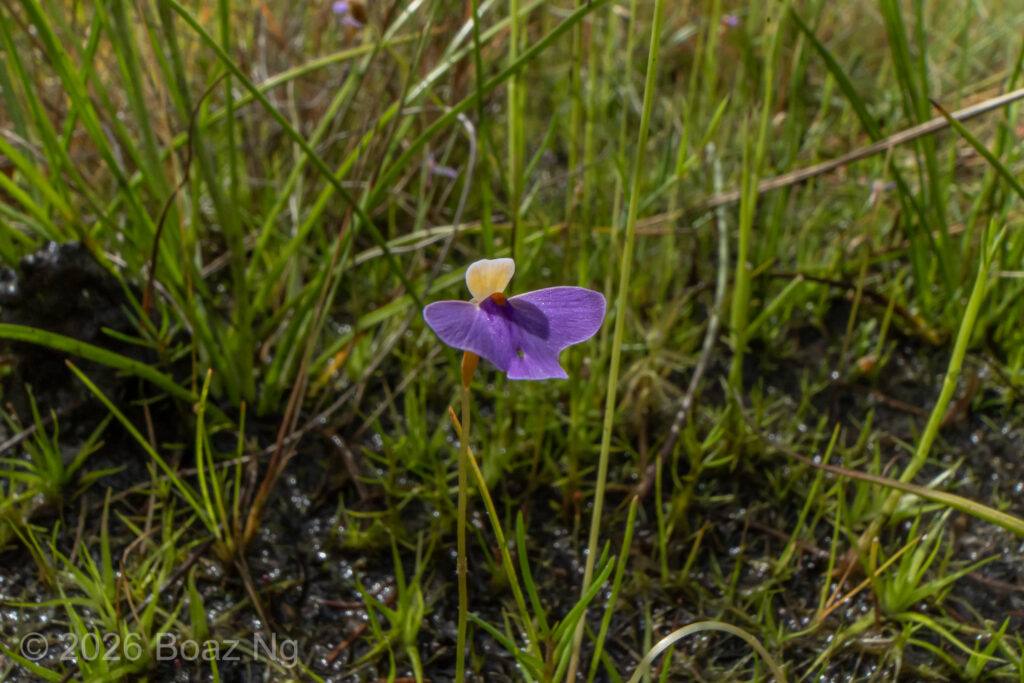
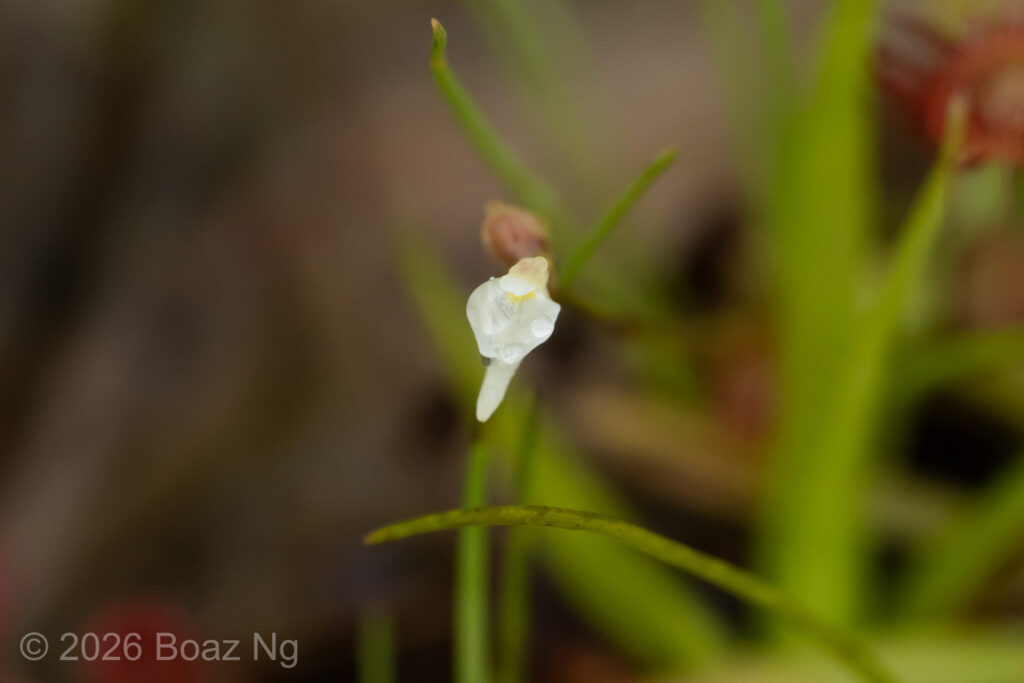
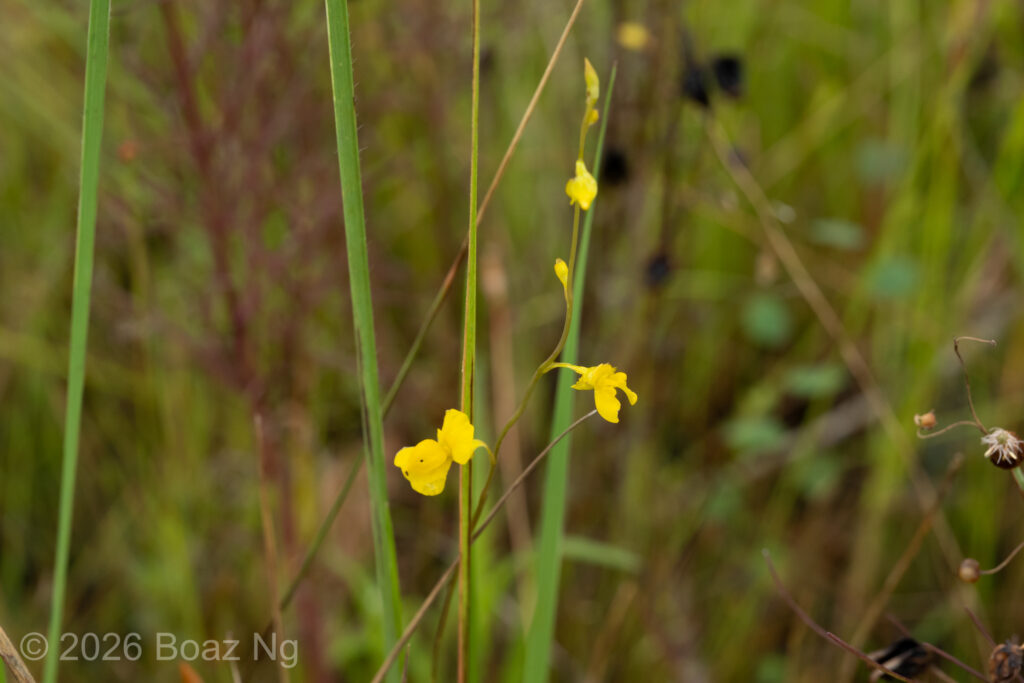
Other species prefer the slight depressions in the landscape where water forms shallow pools about ankle deep. Utricularia hamiltonii, U. leptoplectra and D. aquatica grow in these wetter patches within the sand plains.
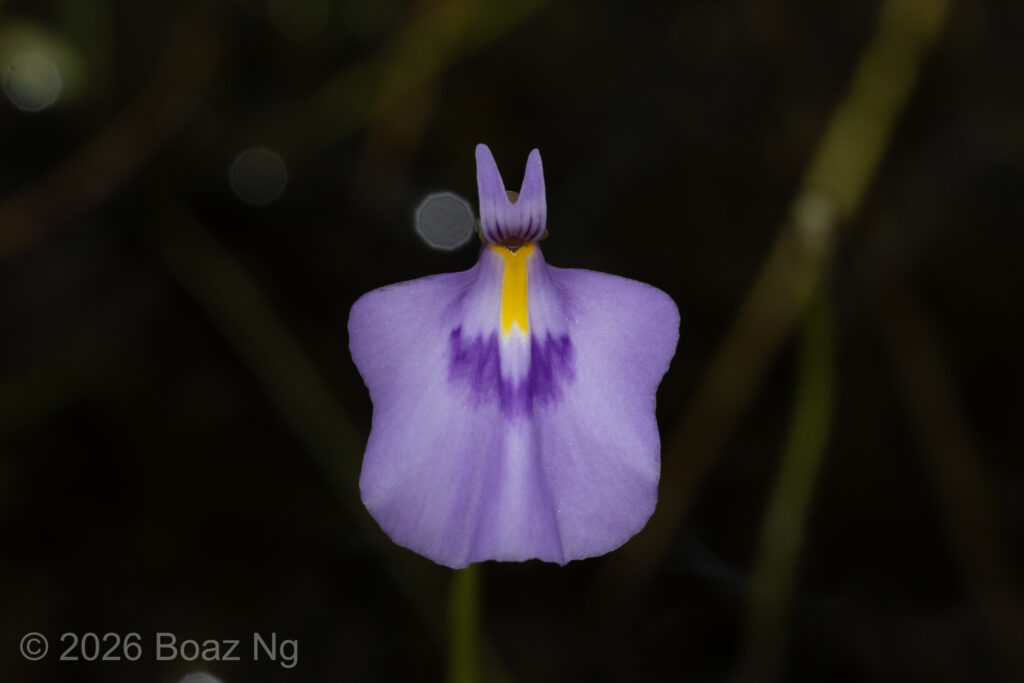
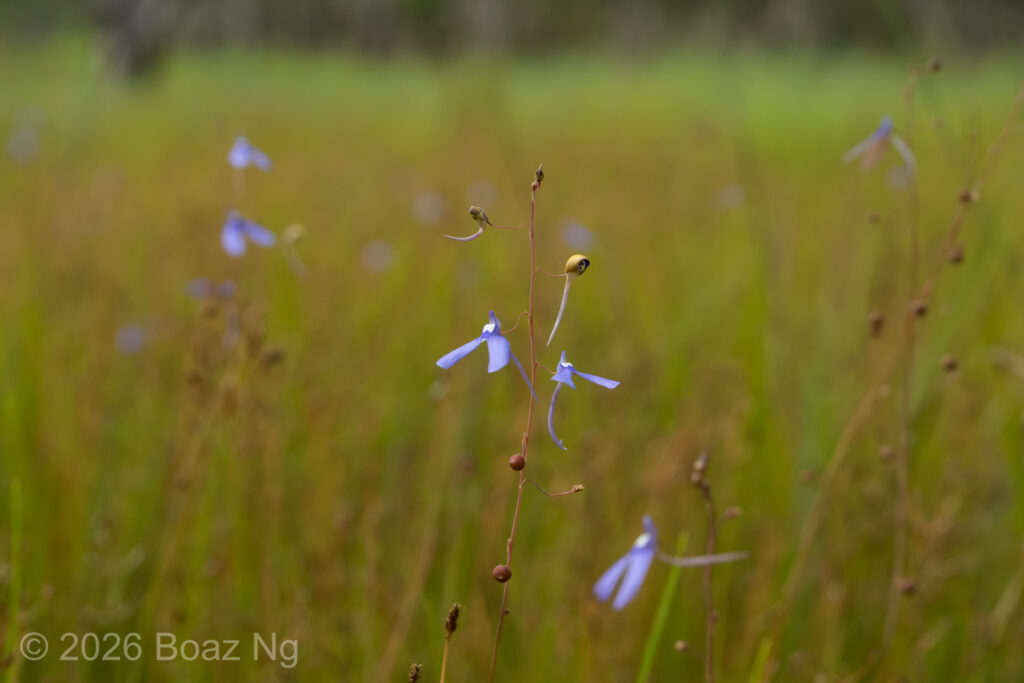
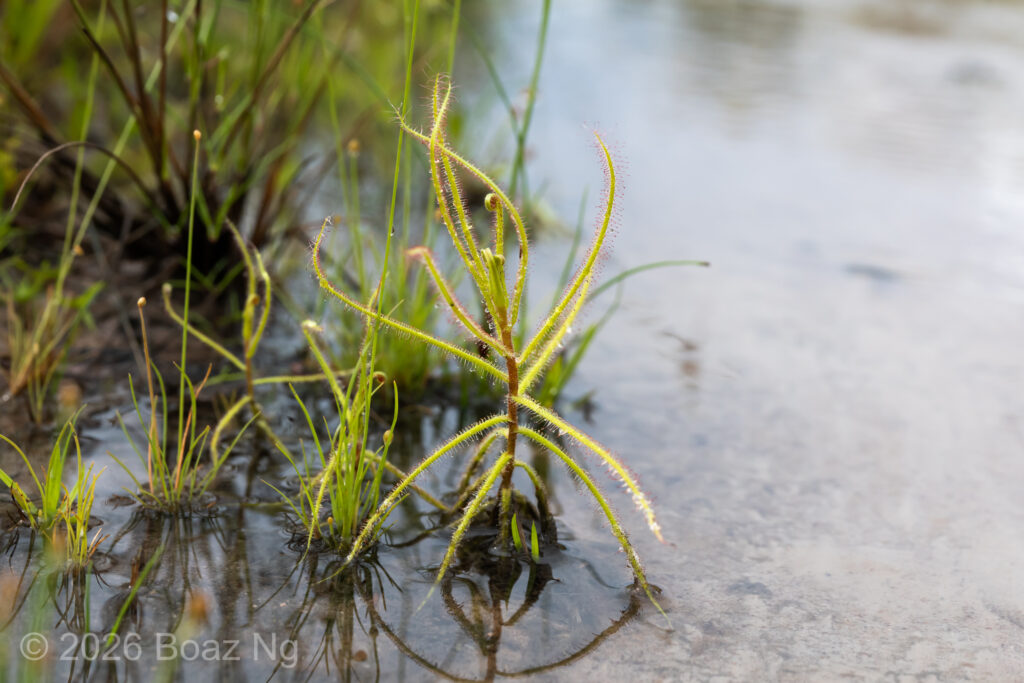
A small assortment of species are adapted to the lowest areas of the sand plains, where water pools to around shin-deep. The floating annual bladderwort Utricularia adamsii relies on these comparatively stable yet shallow water sources to complete its life cycle. Byblis aquatica grows a long, buoyant stem that raises the growth point above water. It will continue growing terrestrially after the pools dry out, but dies after the ground dries out. Utricularia limosa is often found at the shallower edges of the pools, preferring the peatier accumulations that settle out where water movement is slow.
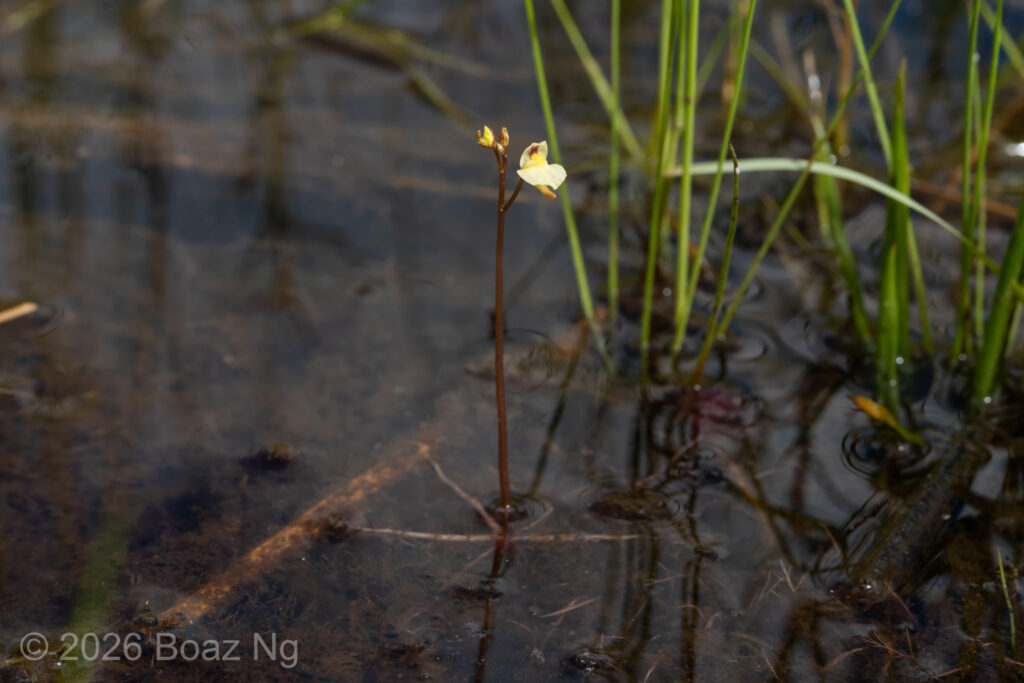
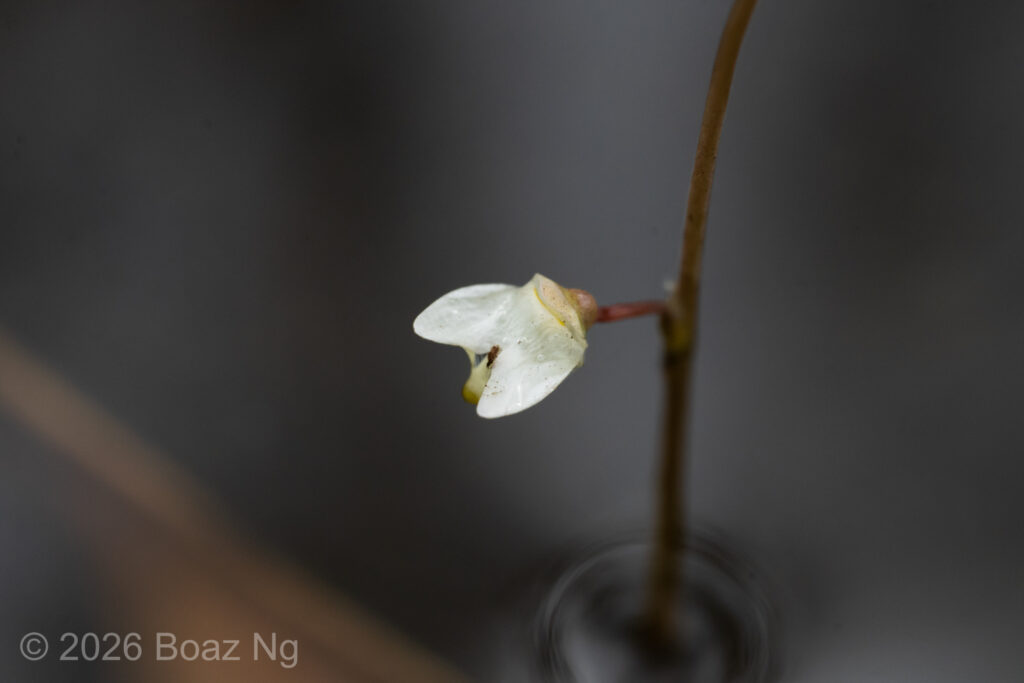
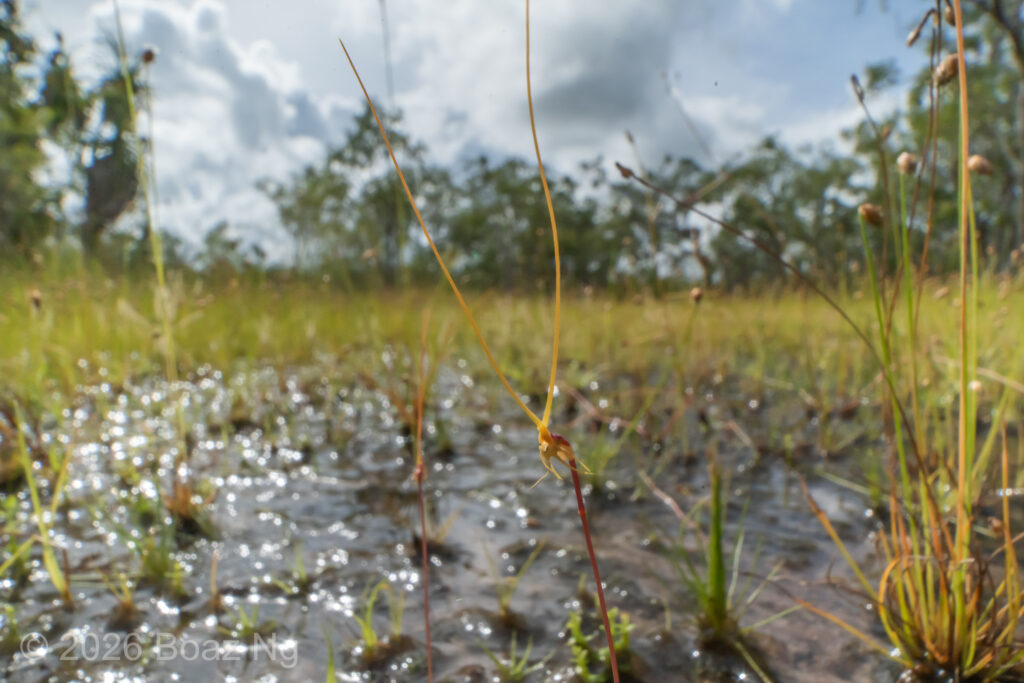
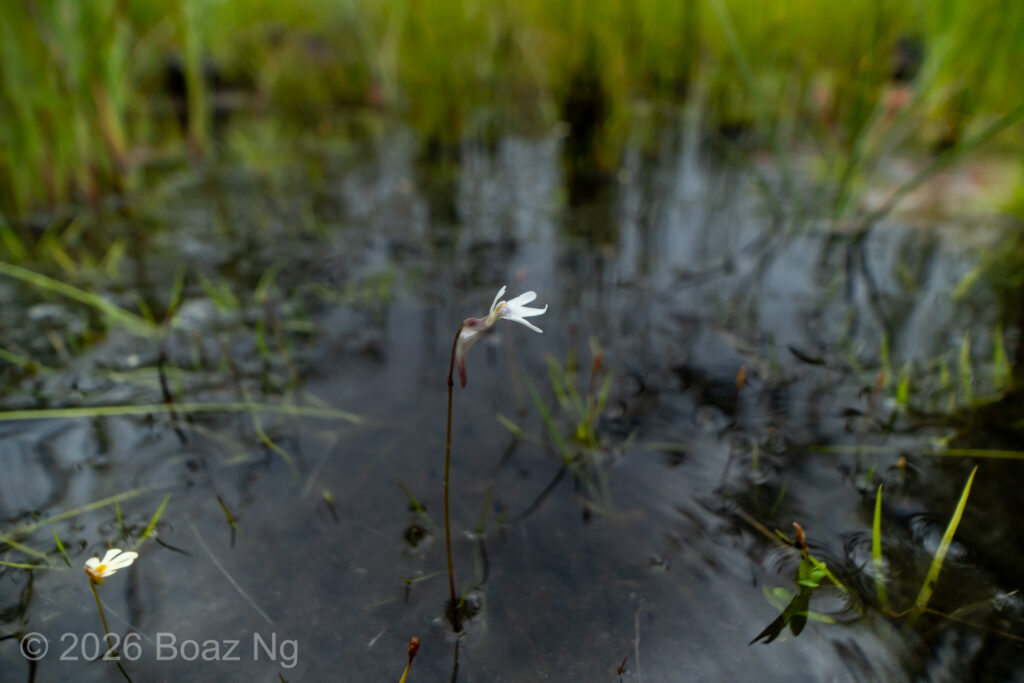
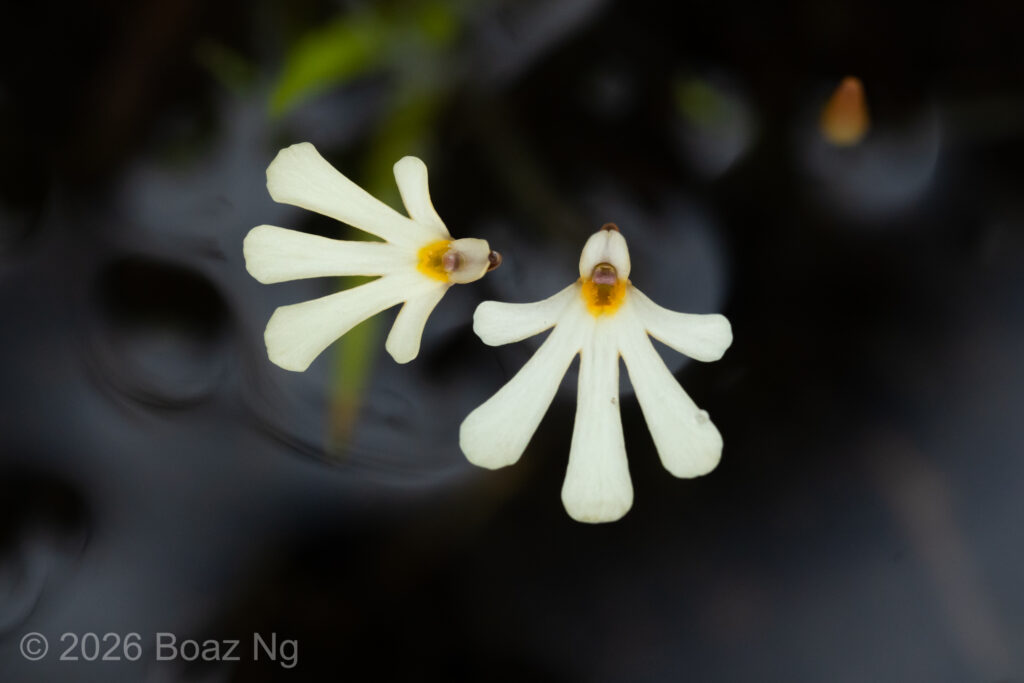
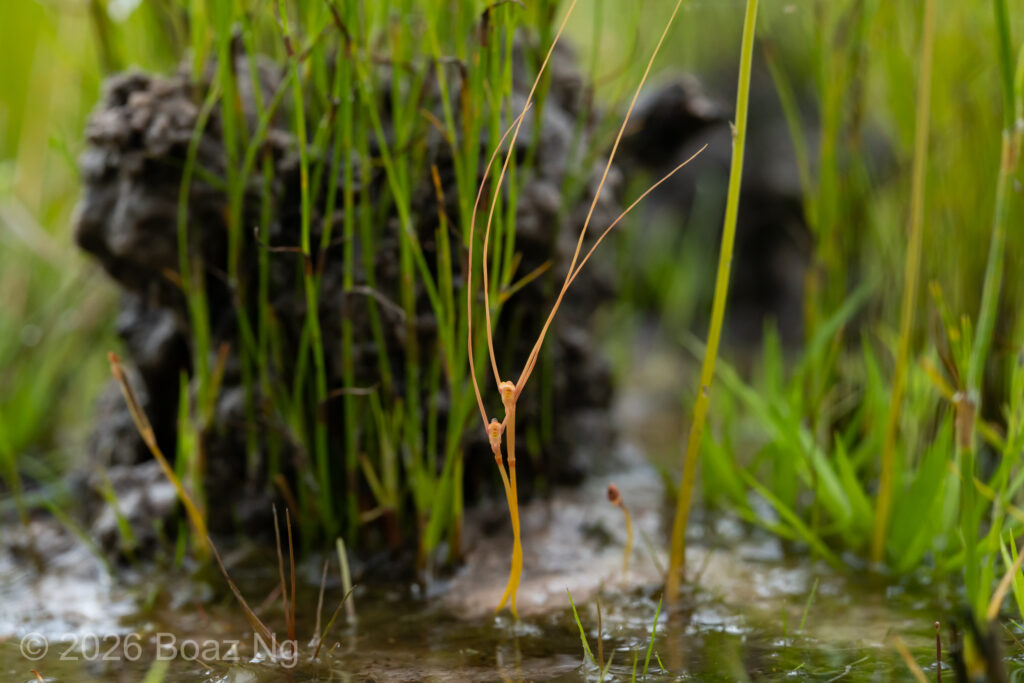
Some areas of the site have a substrate with a higher proportion of dark, organic soils that are covered with shallow water. It is here that the poorly understood Utricularia dunstaniae is found. This bladderwort has long, thin projections that resemble the antennae of insects. The plant occurs at very scattered locations through the Howard River sand plains, although it can be locally abundant at its peak flowering time during the late wet season. Growing alongside it are the lobed bladderworts U. kamienskii and U. holtzei, which share a preference for the peaty, waterlogged substrate, but are much more abundant.
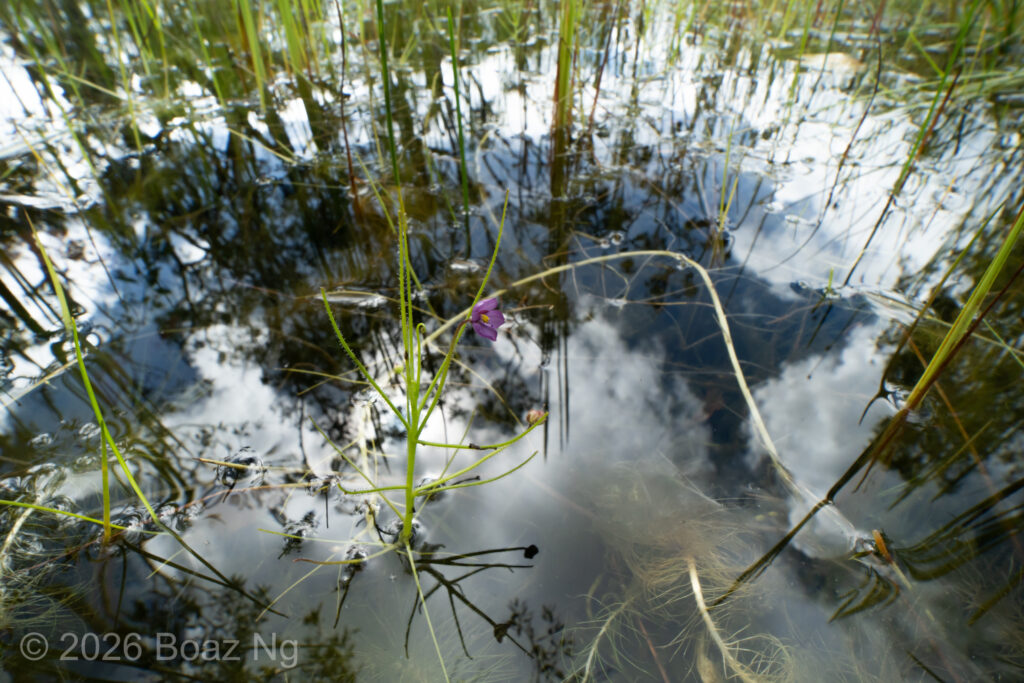
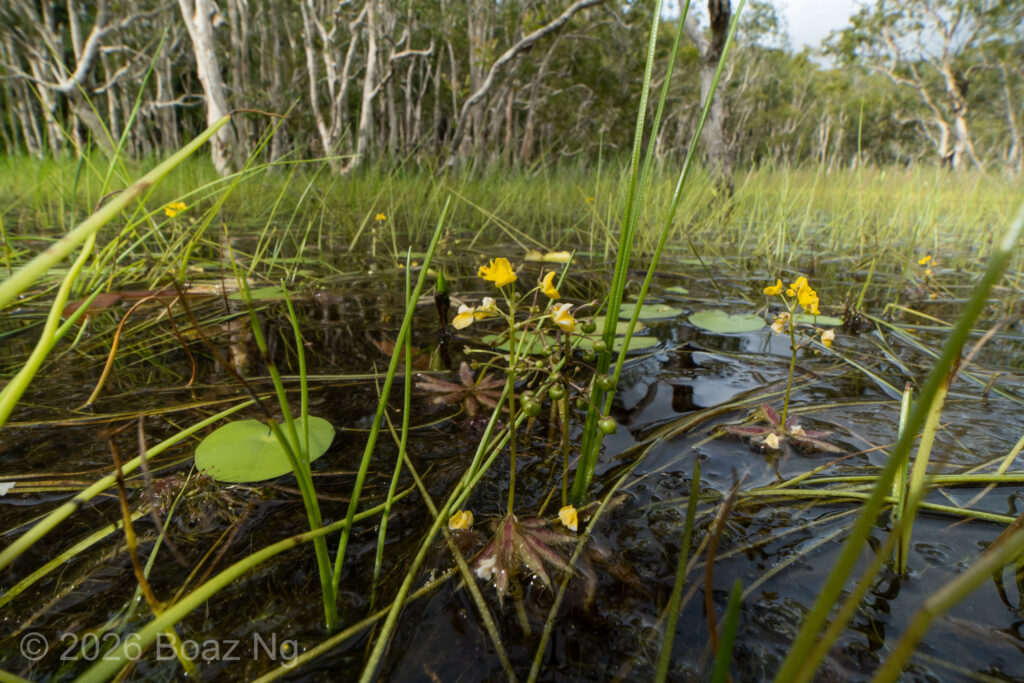
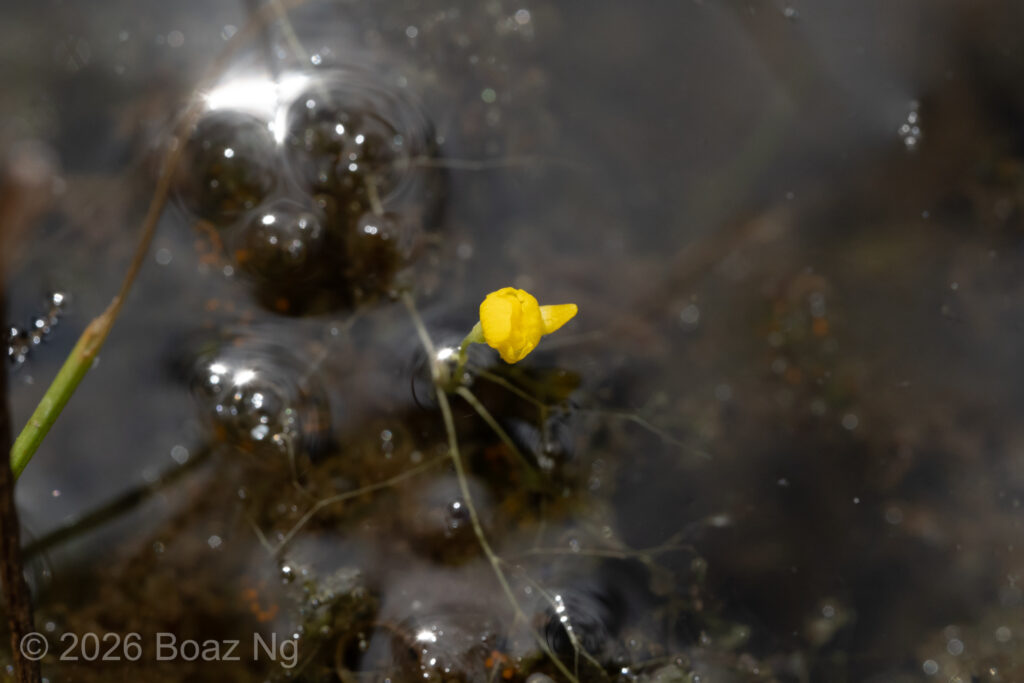
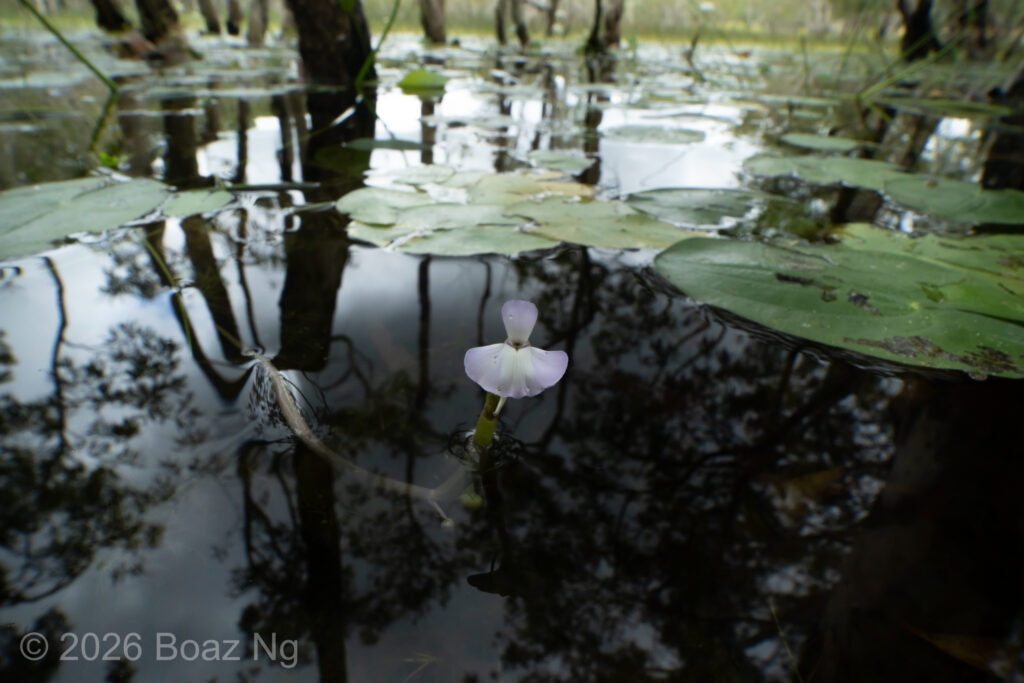
The sand plains drain into a deepish swamp at the centre of the site. This swamp is an enclosed system that is separated from the adjacent creek and provides a still environment for aquatic bladderworts to thrive. Utricularia muelleri, a large submerged aquatic bladderwort, grows in the deeper water, forming floats that raise the flower scape above the surface. At the edge of the swamp, mats of U. aff. gibba are supported near the surface by an unconsolidated mass of decomposing plant matter and algae. It is also in this swamp that one of Darwin’s rarest bladderworts, Utricularia tubulata, can be found. This aquatic species grows at the shallow, stable edges of the swamp. The stems inflate to a buoyant scape that supports the blueish-purple blooms above the water’s surface.
The population makeup of actively growing carnivorous plants shifts as the water recedes into the dry season. When I visited in March, I only found a few Utricularia chrysantha and D. burmannii scattered about, but they will become increasingly abundant as the substrate dries out. An additional 4 dry-season blooming bladderworts have been observed at the site, bringing the total confirmed carnivorous species to 30 within the 1km radius block.