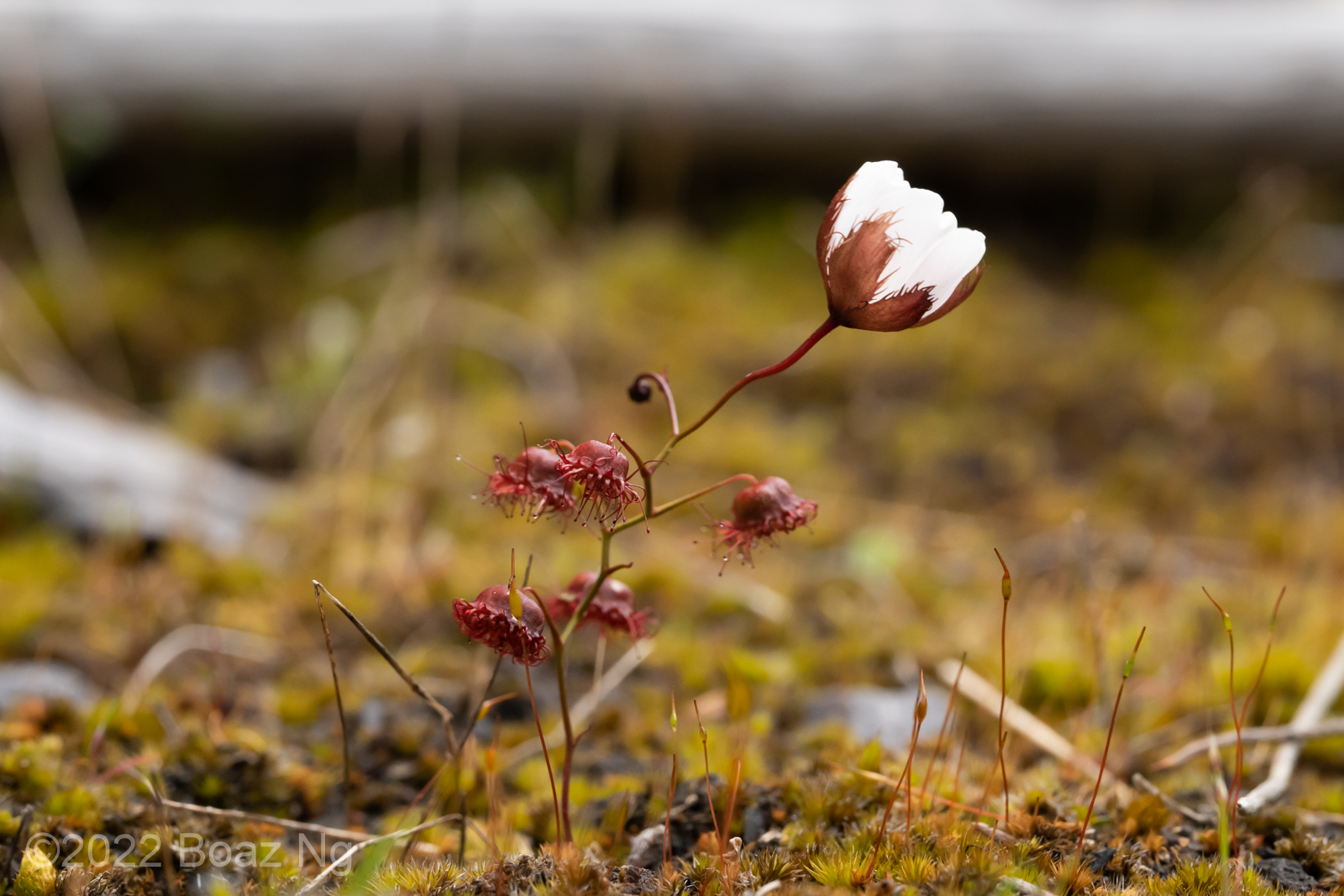
Drosera huegelii Species Profile
Drosera huegelii is an erect tuberous sundew native to Western Australia. Drosera hugelii is a small to medium sized sundew. The plant has an erect stem that is glabrous. The…

Drosera huegelii is an erect tuberous sundew native to Western Australia. Drosera hugelii is a small to medium sized sundew. The plant has an erect stem that is glabrous. The…
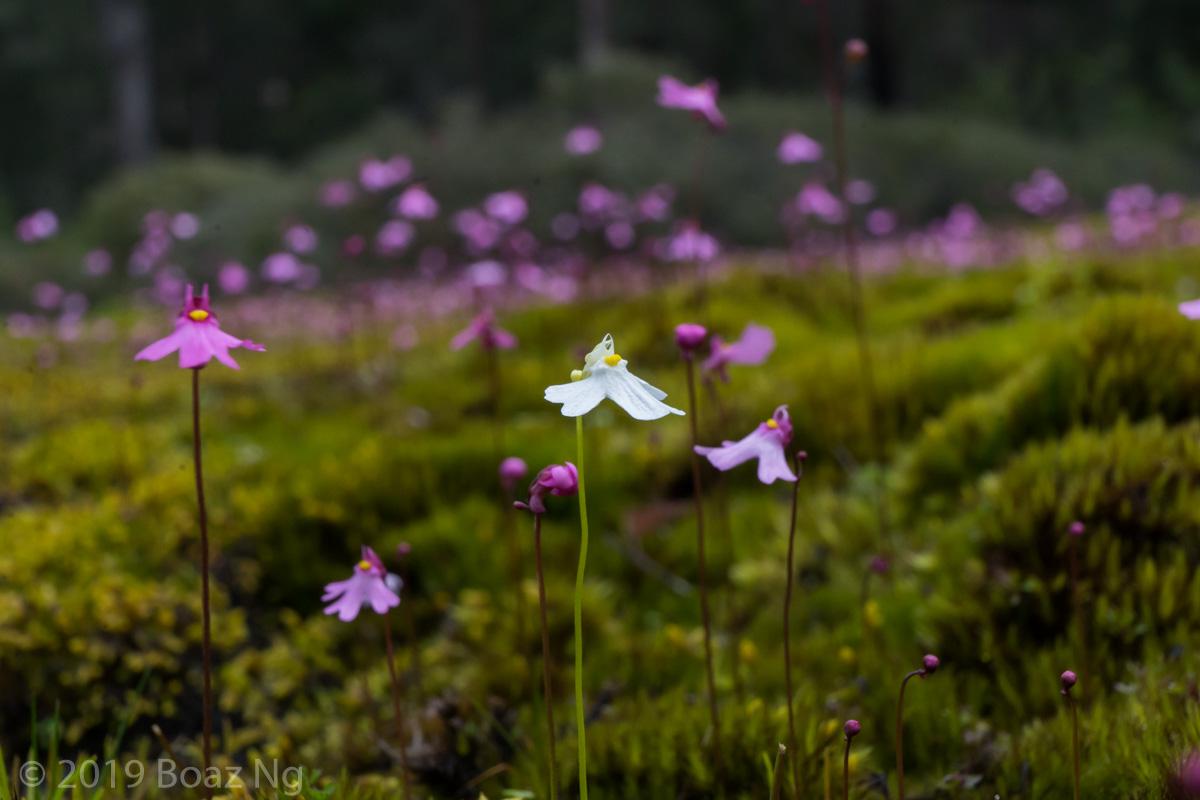
Utricularia multifida is a terrestrial bladderwort endemic to Western Australia. The species is particularly known for its en mass displays of purple flowers, which emerge at the the end of…
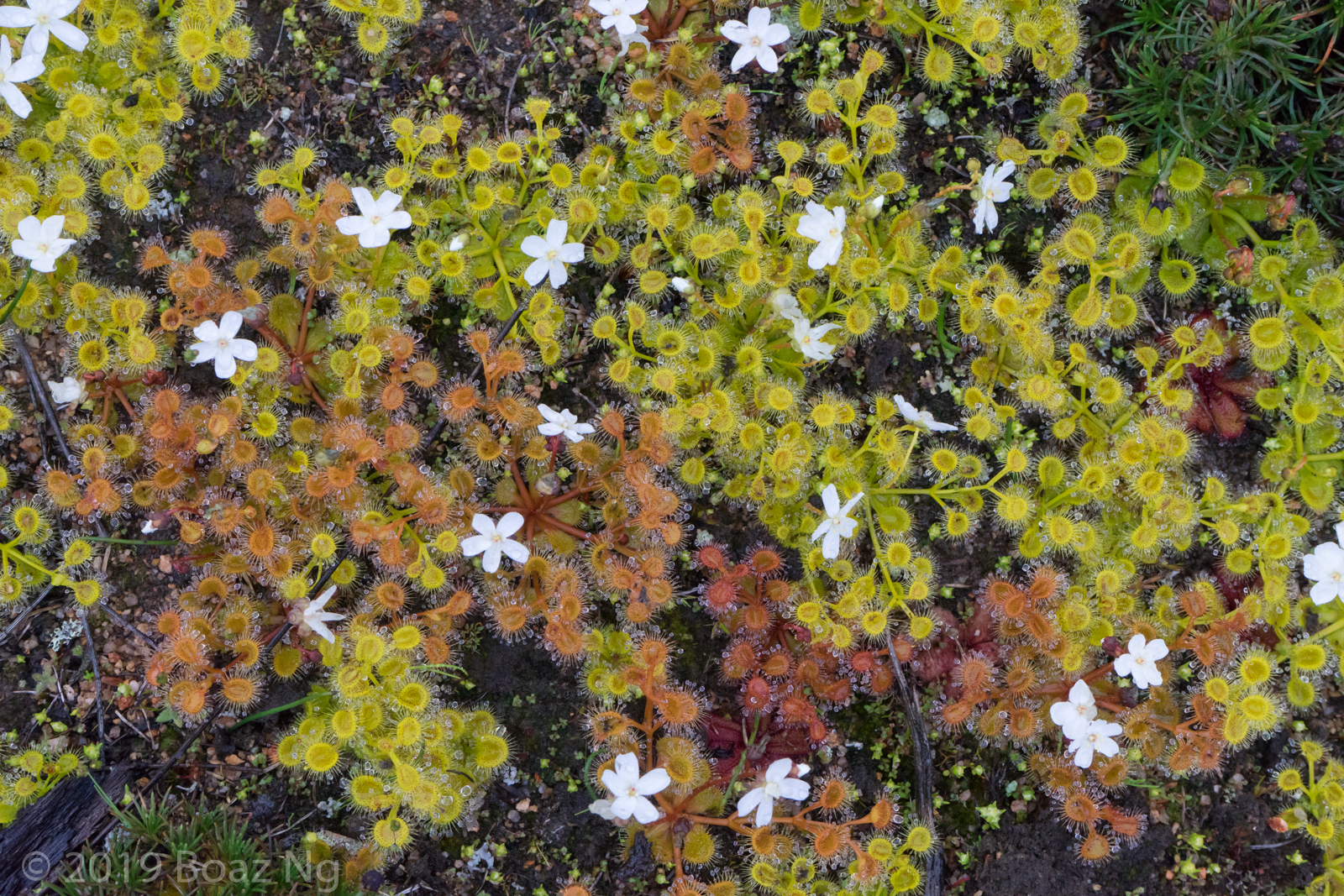
Drosera rupicola is endemic to the granite outcrops of the Western Australian Wheatbelt region where it grows in the wettest patches of loam atop a granite base. These gigantic rock…
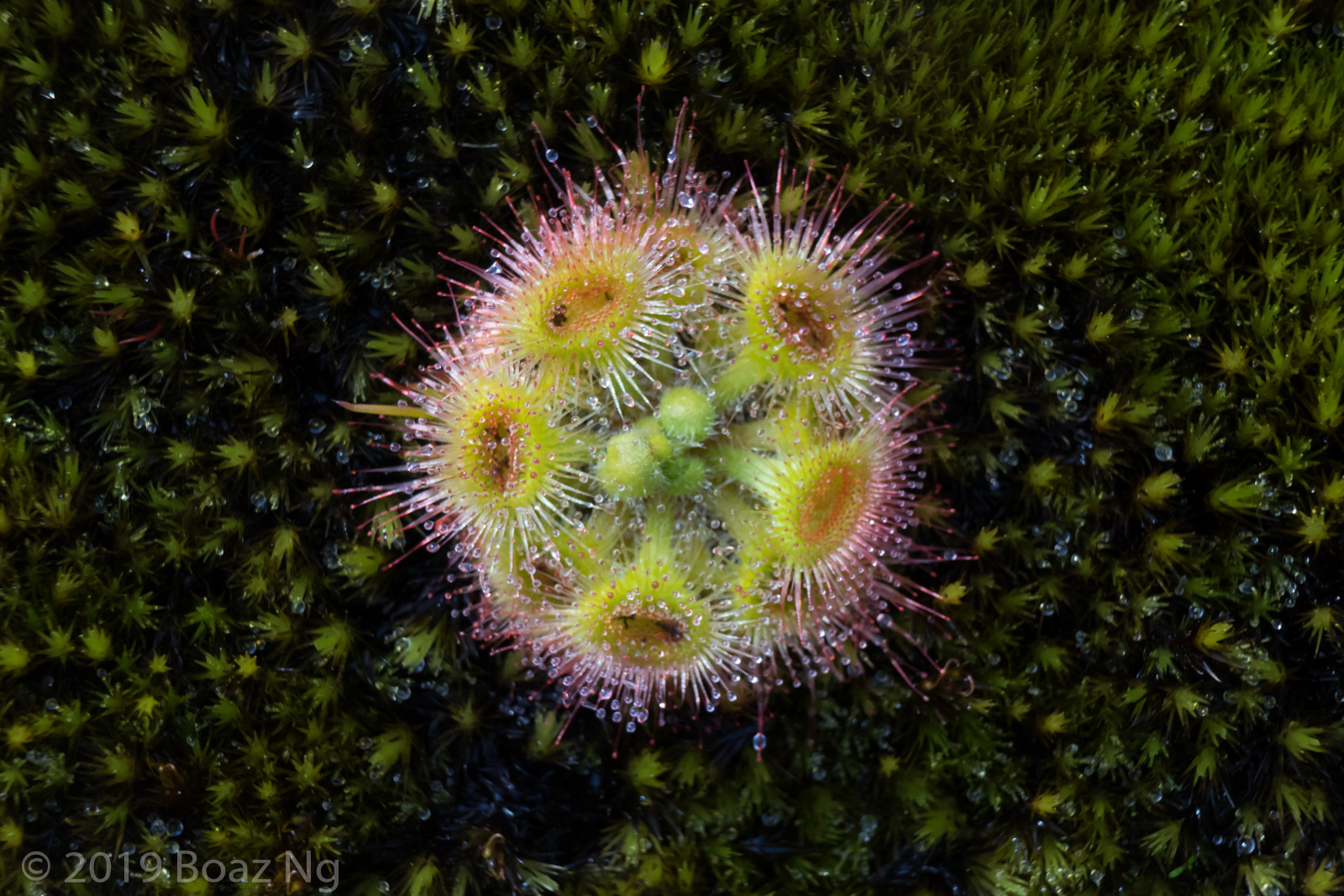
Drosera glanduligera is a sundew endemic to the cooler areas of Australia. It is known for its long snap tentacles, which reflex quickly to catapault prey into its sticky leaves.…

Drosera gigantea is a tuberous sundew that is named for its large size. Drosera gigantea is a large sundew that grows from 30cm - 1m in height. The plant emerges…
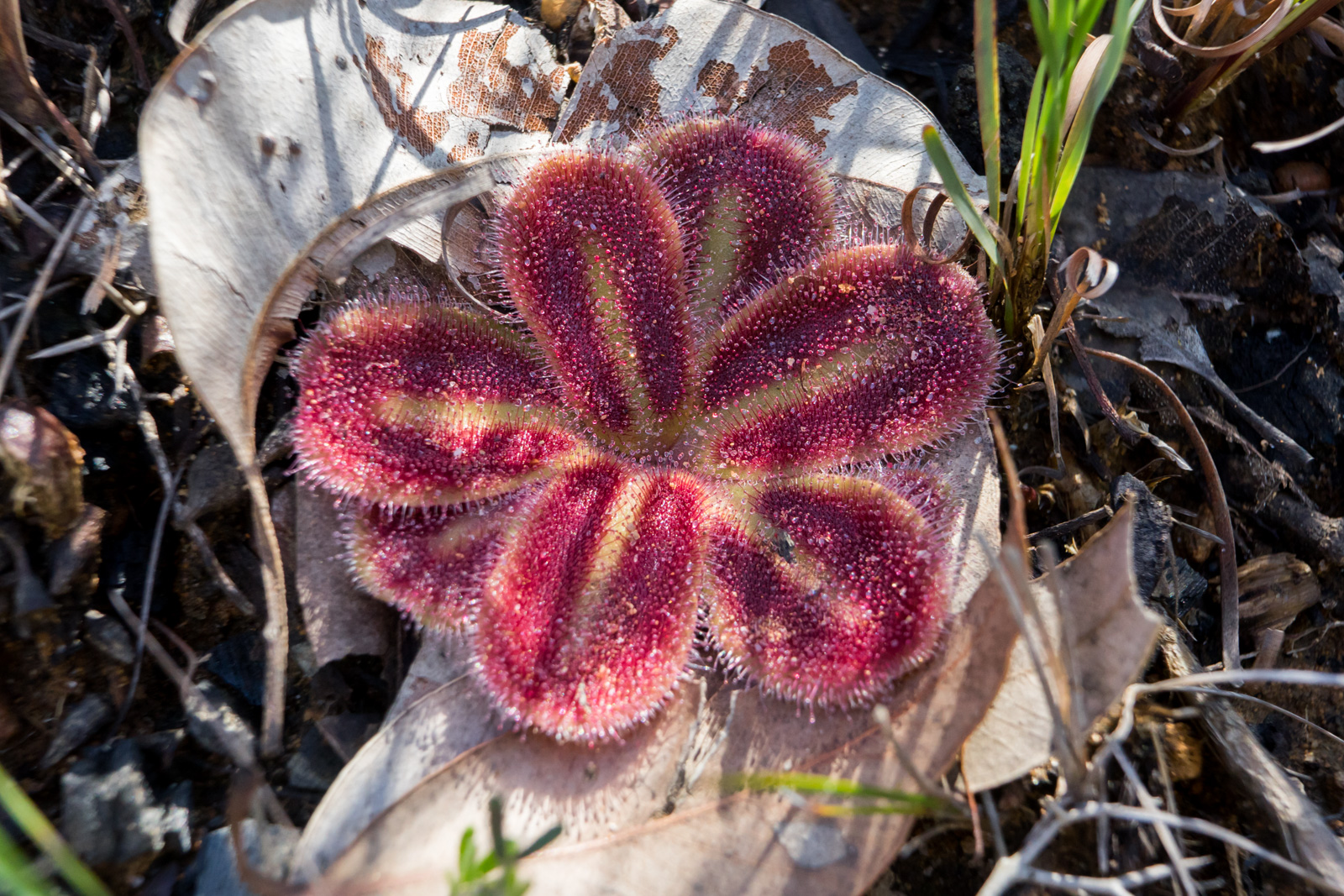
Drosera squamosa is arguably the most beautiful rosetted tuberous sundew. It is a species in the Drosera erythrorhiza complex that is distinguished by a striking margin of red around its…
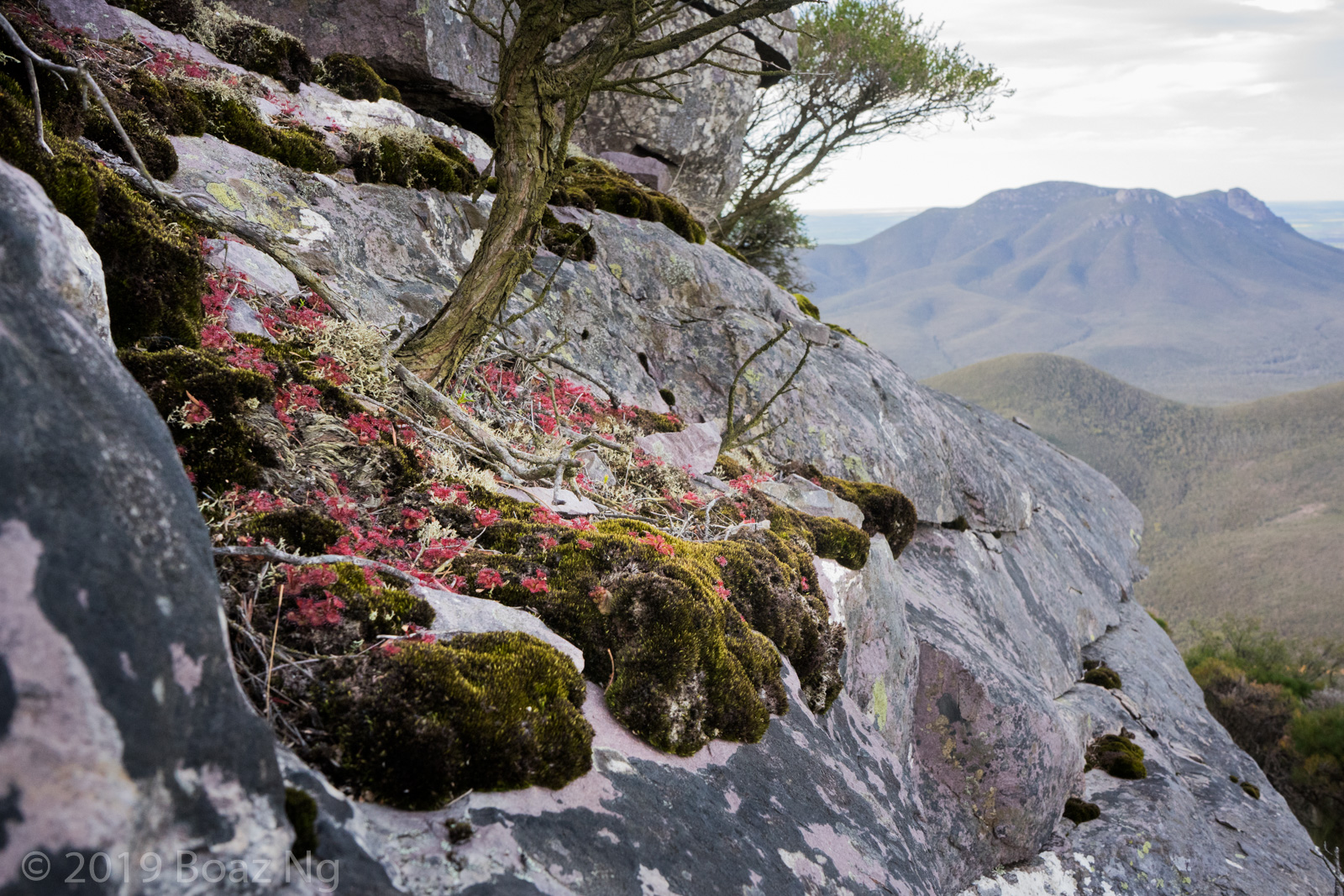
Drosera monticola grows only on the highest peaks of the Stirling Range in Western Australia. A member of the Stolonifera complex, the species is characterised by red fan-shaped leaves that emerge…
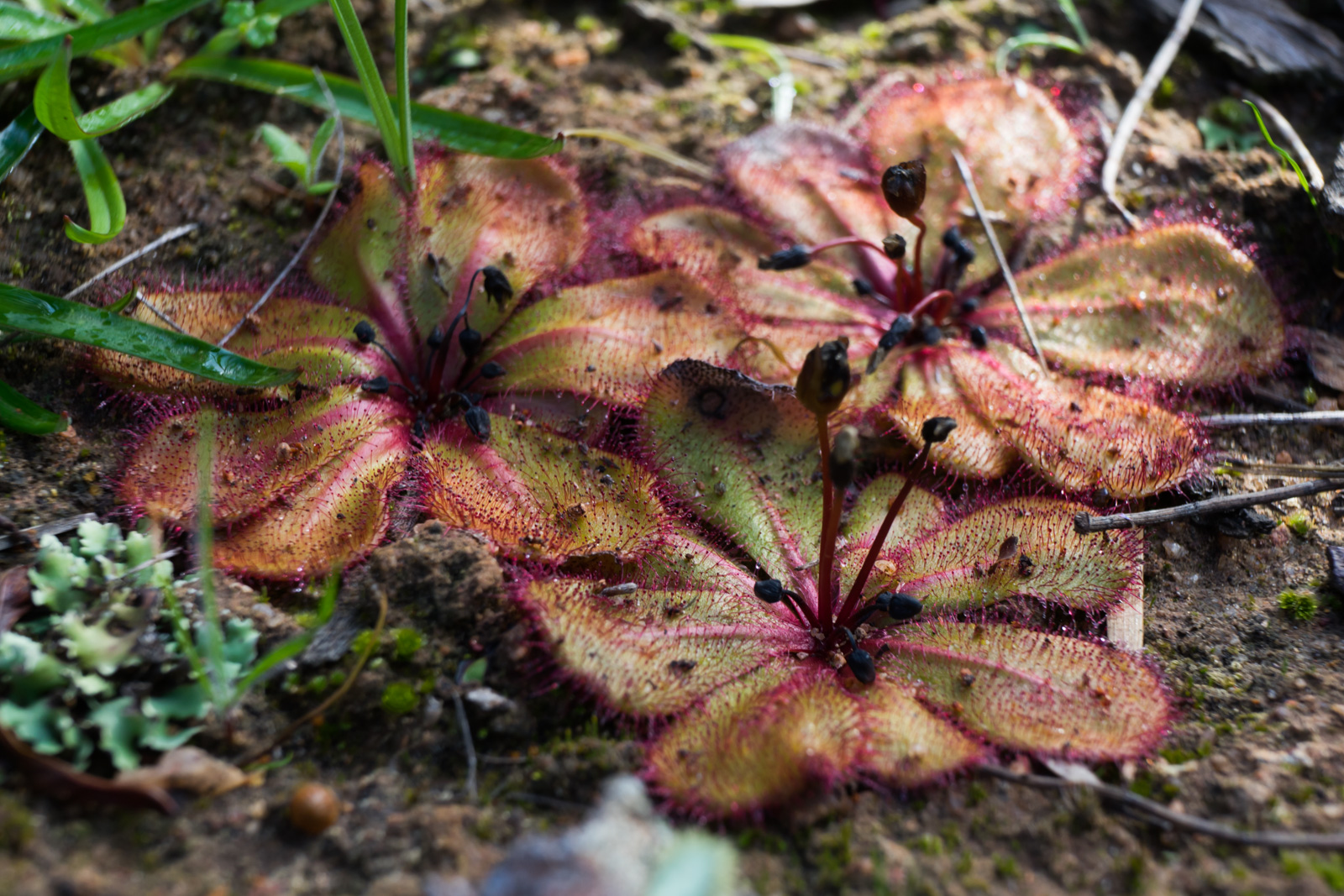
Drosera monantha is a tuberous sundew native to the Wheatbelt around Bruce Rock in Western Australia. This attractive species grows large circular rosettes with diameters of around 12 cm and grows…
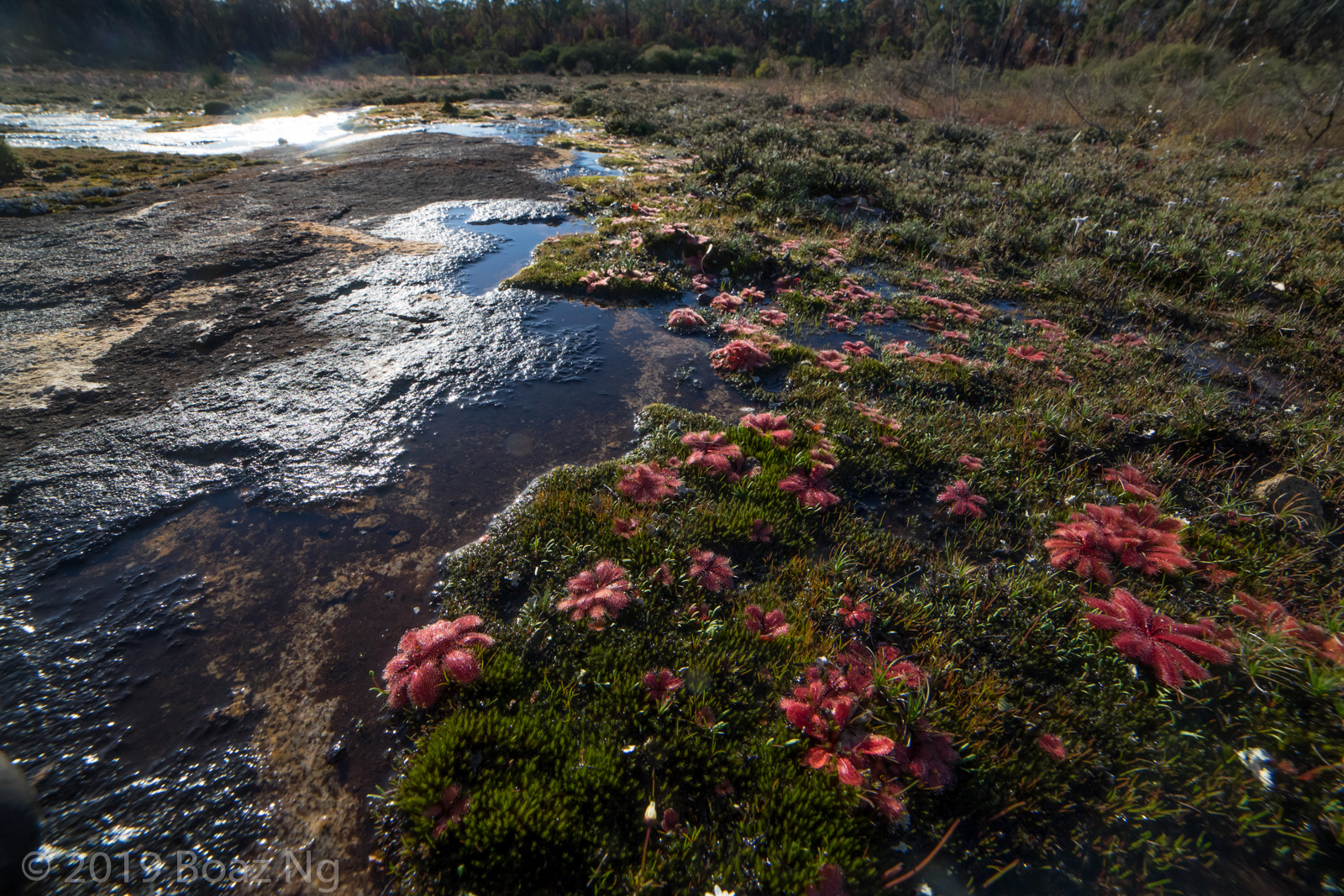
Drosera bulbosa is a rosetted tuberous sundew endemic to Western Australia. Drosera bulbosa is a medium sized plant, typically reaching around 5-10cm in diameter. The leaves are usually oval shaped,…

Drosera hamiltonii is a species of sundew that is endemic to the southern coast of Western Australia. Drosra hamiltonii is a medium sized sundew that grows around 5cm in diameter.…